

In the story, the kids see dinosaur bones in the museum. In real life, you would not see dino bones in a museum. You would see dino fossils. Over thousands of years, dino bones in the ground turned into rock. We call them fossils.
Back to Teacher View
Student View
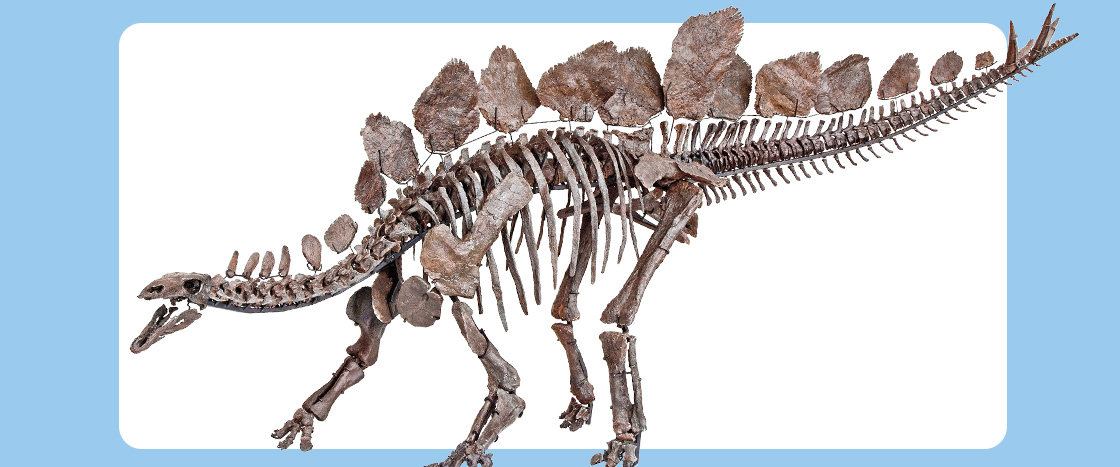
Shutterstock.com
The Truth About Dinosaur Bones
By Molly Bradley
From the March / April 2025 Issue
Learn more about fossils.
Lexile® measures: 480L
Featured Skill:
Compare Two Texts,
Vocabulary: fossils, fragile, plaster
Standards

1. Dino bones become fossils.
2. Some dino fossils in museums are fake!
Fossils are fragile. They can break easily. Many of them can’t be put out in museums. So workers at museums make copies of fossils.
In the story, the professor uses clay to make his copies.
In real life, copies are made of plaster. It’s kind of like soft cement. People can see these copies of dino fossils at museums.
3. People really can sell fossils.
In the story, Professor Rex is going to sell fake dino bones. In real life, people can sell dino fossils for a lot of money!
Dino fossils are hard to find, and many people want them. Scientists want to study them. Some people want to collect them. If you found a fossil, it could be worth a lot of money!
Activities
(1)
Skills Activities
Answer Key
(1)
Activities
(1)
Download All Quizzes and Activities
Skills Activities
Answer Key
(1)
About the Story
Science focus
Animal adaptations
Step-by-Step Lesson Plan
Mystery at the Museum and
The Truth About Dino Bones
Implementation
- Small group; whole group; independent reading
Pairings and Text Connections
In this issue, these texts all go with the mystery theme:
- “The Pig Beach Mystery,” p. 2
- “Mystery in the Sky,” p. 8
- “What Is a Mystery Story?,” p. 14
- “Mystery at the Museum,” p. 16
Before-Reading Resources
- Text Preview Bookmarks
(5 minutes) Students can use the fiction bookmark to preview the fiction and the nonfiction bookmark for the nonfiction.
- Video: Character Traits
(3 minutes) Show students this short video to give them background knowledge about fiction before they read.Play the Vocabulary Slideshow
- Play the Vocabulary Slideshow
(5 minutes) Familiarize students with the vocabulary words they will see in the texts.
(5 minutes) Students can use the fiction bookmark to preview the fiction and the nonfiction bookmark for the nonfiction.
(3 minutes) Show students this short video to give them background knowledge about fiction before they read.Play the Vocabulary Slideshow
(5 minutes) Familiarize students with the vocabulary words they will see in the texts.
Suggested Reading Focus
Fiction and nonfiction (2 class sessions)
- First, read and discuss the fiction story.
- Next, read the Nonfiction Connection about dino fossils.
- Get kids thinking more about fiction and nonfiction with our special Fiction and Nonfiction skills page. We created it to help kids compare and contrast these two kinds of texts.
After-Reading: Skills Practice
(15 minutes for each activity)
- Quiz: Comprehension check (We also offer a lower-level quiz.)
- Character Traits: Students can identify the traits of the characters in the story.
- What Is the Setting?
- Story Map
After-Reading Text Comparisons
(15 minutes)
- Mystery Checklist: Use what you learned in the Background Builder—“What Is a Mystery Story?”—to decide if “Mystery at the Museum” is a mystery story.
- Mystery Chart: Compare the themed texts in the issue.
Text-to-Speech